


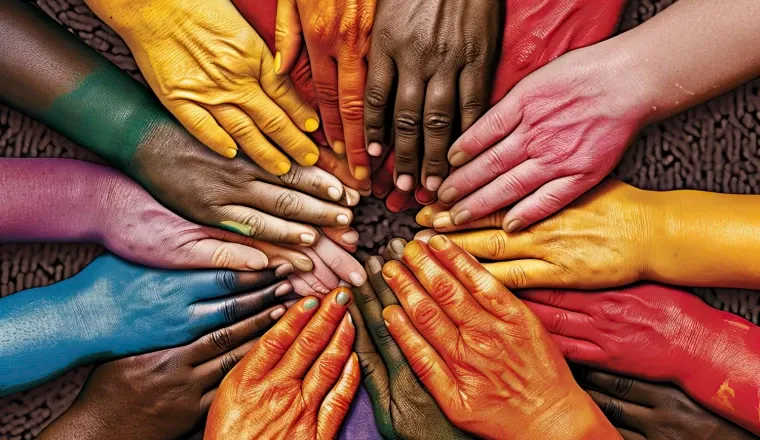
Comparing Generations Over Time: Evolution of Values
Generations shape the world in fascinating ways, each leaving a unique imprint on society, culture, and values. When we think about “Comparing Generations Over Time: Evolution of Values,” it’s essential to understand how historical events, technological advancements, and social movements have influenced varying generations’ outlooks on life.
In this blog post, we’ll explore the values of several notable generations and how they have evolved over time. From the Silent Generation to Generation Z, let’s dive into the rich tapestry of beliefs and priorities that have shifted in response to societal changes.
The Silent Generation (1928-1945)
The Silent Generation, often overshadowed by the Baby Boomers that followed, values tradition, loyalty, and hard work. Born during a time of economic hardship and global conflict, this generation embraces a strong sense of duty, making them more likely to commit to lifelong careers and familial responsibilities. They also experienced the Civil Rights Movement, which sowed the seeds for later generations’ belief in equality and social justice.
Key Values:
- Respect for authority
- Commitment to family
- Focus on stability and financial security
Baby Boomers (1946-1964)
Following World War II, the Baby Boomers emerged into a world characterized by optimism and opportunity. This generation witnessed significant societal shifts, including the civil rights movement, feminism, and the counterculture revolution of the 1960s. Their values evolved to include personal fulfillment, activism, and a desire for social change.
Key Values:
- Individualism
- Social activism
- Work-life balance
Unlike their predecessors, Baby Boomers often advocate for a balance between career advancement and personal satisfaction, reflecting a shift toward valuing experiences and self-actualization.
Generation X (1965-1980)
Often dubbed the “Forgotten Generation,” Generation X came of age during economic turmoil and a changing social landscape. They witnessed the rise of technology and, as a result, became self-reliant and resourceful. This generation values authenticity, skepticism, and the importance of work-life balance more than previous generations, partly due to their experiences with high divorce rates and economic uncertainty.
Key Values:
- Independence
- Flexibility
- Pragmatism
Generation X also laid the groundwork for embracing diversity and questioning authority, paving the way for future generations to scrutinize older systems of belief and foster inclusivity.
Millennials (1981-1996)
Millennials, also known as Generation Y, entered the workforce during a time of economic uncertainty, witnessing events like the September 11 attacks and the 2008 financial crisis. As a result, they have a unique outlook on work, prioritizing purpose and social responsibility. This generation values experiences over material possessions and deeply cares about sustainability and equality.
Key Values:
- Collaborative work environment
- Social consciousness
- Experience over possessions
As we focus on “Comparing Generations Over Time: Evolution of Values,” it’s crucial to highlight how Millennials have shifted workplace paradigms, often pushing for jobs that align with their personal values and aspirations.
Generation Z (1997-2012)
Generation Z is the first generation to grow up with the internet, smartphones, and social media as integral parts of their everyday lives. This unprecedented access to information has shaped their values significantly. They are more likely to prioritize mental health awareness, diversity, and inclusion, making them proactive in social justice movements.
Key Values:
- Digital connectivity
- Mental health advocacy
- Environmental sustainability
Generation Z often challenges older generations by pushing for immediate action on climate change, social equality, and mental health issues. Their value set reflects a shift toward inclusivity and a more favorable view of non-traditional career paths, highlighting the ongoing evolution in the workforce.
Comparing Generations Over Time: Evolution of Values
As we’ve seen through each generation, values shift as societal norms, technological advancements, and global events change. The dialogue between generations is crucial; part of understanding “Comparing Generations Over Time: Evolution of Values” lies in acknowledging that each generation builds on the accomplishments and failures of the previous ones.
-
Interpersonal Relationships: While earlier generations emphasized face-to-face interactions, Gen Z and Millennials often prefer digital communication. This evolution demonstrates a shift in how relationships are formed and maintained.
-
Workplace Dynamics: Today’s workplace values flexibility, remote work, and a focus on mental well-being—concepts that were not prioritized to the same extent by earlier generations.
-
Social Responsibility: Each generation has progressively embraced social justice. From the civil rights movements of the Silent Generation to the climate strikes led by Gen Z, this shift illustrates an increasing awareness of global challenges.
Frequently Asked Questions (FAQs)
1. How do generational values impact society?
Generational values influence everything from workplace culture to political beliefs. Societies evolve as new generations challenge old norms and introduce innovative ideas, leading to progress and social change.
2. What are some distinct characteristics of each generation?
While many characteristics can be attributed to each generation, we can generalize certain traits:
- Silent Generation: Duty and loyalty
- Baby Boomers: Activism and individualism
- Generation X: Independence and flexibility
- Millennials: Experience and social consciousness
- Generation Z: Digital connectivity and advocacy for mental health
3. How can we bridge the value gap between generations?
Understanding and open communication are key. By recognizing each generation’s unique contributions and challenges, we can create a collaborative environment that fosters mutual respect and shared goals.
Conclusion
The exploration of “Comparing Generations Over Time: Evolution of Values” illuminates how values evolve based on societal context, technological advancements, and shared experiences. With every generation comes a unique perspective and set of values that contribute to shaping the broader cultural landscape.
As we navigate the complexities of intergenerational dialogue, let’s embrace the differences while finding common ground. The evolution of values is not just about disagreements but also about learning from each other, equipping ourselves for a better, more inclusive future.