


How Millennials Embrace Technology in Everyday Life
In today’s fast-paced world, technology has infiltrated our daily routines, and nobody exemplifies this more than Millennials. This generation, born roughly between 1981 and 1996, has grown up during a technological revolution, shaping how they communicate, work, and play. But how exactly are Millennials embracing technology in everyday life? In this article, we’ll explore the seamless integration of technology into their routines, its impact on social interactions, and the future implications of this adaptation.
The Digital Natives
Millennials are often referred to as digital natives, possessing an inherent familiarity with the internet and digital devices. From their early years, many have been exposed to computers, smartphones, and social media. This early exposure allows them to adapt quickly to new technologies and integrate them into their daily lives.
For instance, a Millennial waking up in the morning might reach for their smartphone rather than an alarm clock. They could check their messages, browse social media, or even listen to a podcast while getting ready. In this way, technology is not just a tool; it serves as an extension of their lifestyle. The transition to fully embracing technology in everyday life has made routines more efficient, productive, and connected.
Communication Redefined
How Millennials embrace technology in everyday life is most evident in their communication habits. Traditional face-to-face conversations are increasingly replaced by digital interactions. Messaging apps such as WhatsApp, Facebook Messenger, and Snapchat allow them to keep in touch with friends and family regardless of geographical distance.
Moreover, video calls have made it easier to maintain personal connections. Platforms like Zoom, Skype, and FaceTime have surged in popularity, especially in a post-pandemic world where remote work has become increasingly common. Millennials are more likely to schedule a virtual hangout over a coffee date, proving their comfort in using technology to foster relationships.
Social Media as a Lifeline
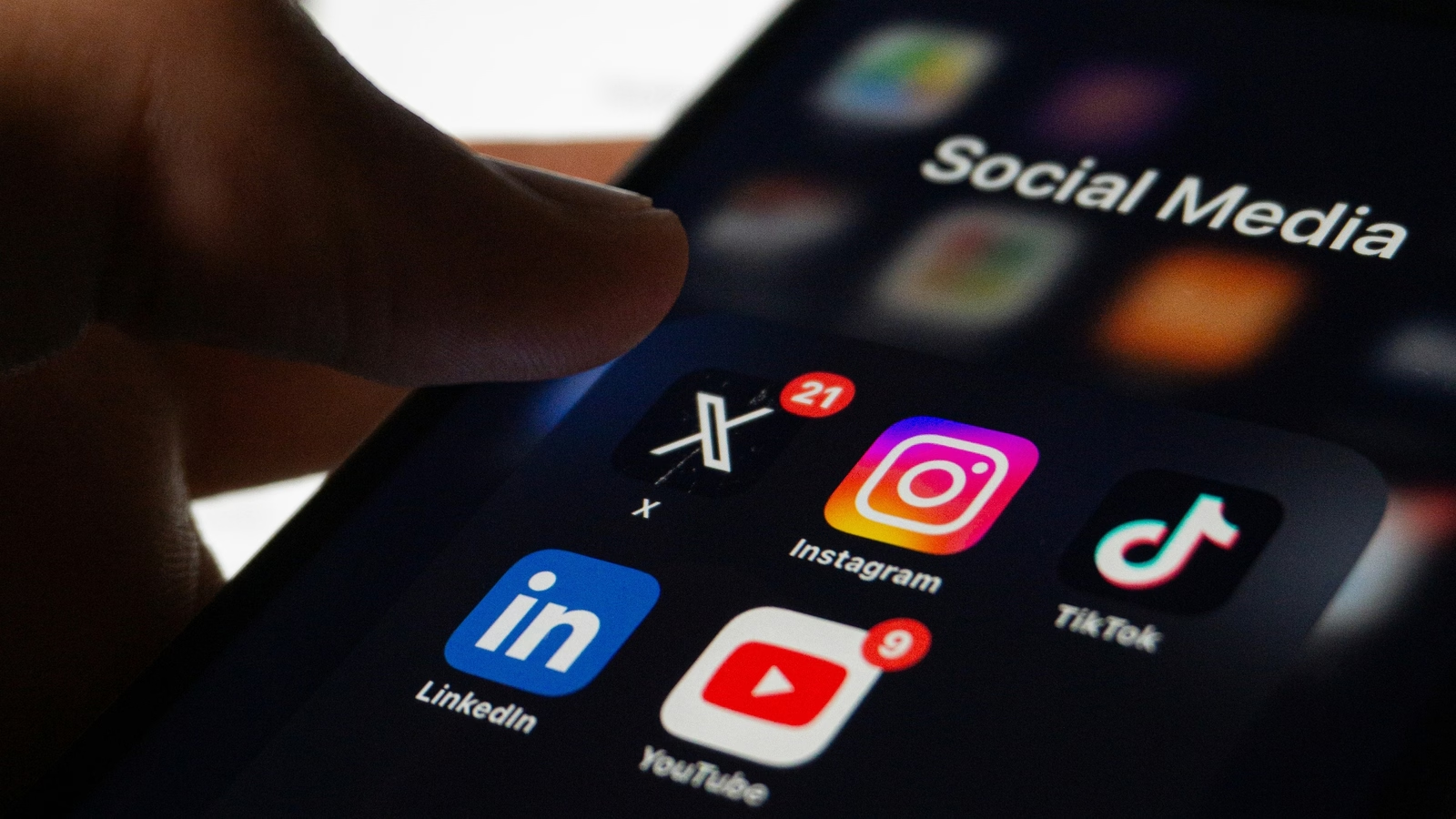
Social media is an integral part of Millennials’ lives. It’s not merely a platform for sharing photos; it serves as a news source, an entertainment hub, and a marketplace. Many Millennials embrace technology in everyday life by leveraging social media for various purposes—from promoting personal brands to sourcing products and services.
Instagram, TikTok, and Twitter are platforms where the Millennials can express their identities, engage with brands, and even influence their peers’ purchasing decisions. In fact, influencer culture has emerged from this trend, redefining advertising and marketing strategies. A Millennial may see a product on their favorite influencer’s feed and decide to purchase it based on that personal recommendation, showcasing the power technology has in shaping consumer behavior.
Work-Life Balance through Tech
In the professional realm, Millennials embrace technology in everyday life to enhance productivity and achieve a better work-life balance. With the rise of remote work, tools like Slack, Trello, and Asana have become essential for collaboration and project management. These platforms allow for flexibility in working hours and location, accommodating a lifestyle that prioritizes both career ambitions and personal time.
Additionally, Millennials are keen on utilizing technology for mental health and wellness. Apps like Headspace and Calm help them manage stress and anxiety, contributing to a healthier work-life integration. This conscious effort to prioritize mental well-being reflects a generational shift toward valuing personal health over traditional, rigid work structures.
Education and Lifelong Learning
Millennials are also redefining education through technology. Traditional learning environments have evolved with the advent of e-learning platforms such as Coursera, Khan Academy, and LinkedIn Learning. How Millennials embrace technology in everyday life is evident in their pursuit of knowledge and skill enhancement outside of conventional classrooms.
These platforms provide opportunities for self-paced learning, allowing Millennials to upgrade their skills at their convenience. Whether learning a new language, coding, or taking a professional certification course, they leverage technology to adapt to changing job markets, making them some of the most versatile and prepared candidates in today’s workforce.
The Rise of Smart Homes
As technology advances, Millennials are not just consumers; they are also early adopters of smart home technology. Voice-activated devices like Amazon Echo and Google Home seamlessly integrate into their homes, making daily tasks more manageable. From controlling lights and HVAC systems to online shopping and managing calendars, these tools represent the wisdom of convenience and efficiency.
In embracing smart home technology, Millennials demonstrate a desire for comfort and innovation in their everyday lives. Such advancements illustrate a broader trend toward sustainability and resource management. Features like programmable thermostats help reduce energy consumption, highlighting their commitment to responsible living.
FAQs
Q: How do Millennials use technology for social interaction?
A: Millennials prefer digital communication methods like messaging apps and social media for staying connected with friends and family, often opting for virtual meetings over traditional face-to-face interactions.
Q: What role does technology play in Millennials’ work-life balance?
A: Technology facilitates remote work through collaboration tools and apps, enabling Millennials to manage their time effectively and prioritize both their careers and personal lives.
Q: How are Millennials using technology for education?
A: Many Millennials engage in lifelong learning through e-learning platforms, enabling them to acquire new skills or knowledge at their own pace, outside of traditional educational settings.
Q: What is the significance of social media for Millennials?
A: Social media serves as a platform for personal expression, networking, and marketing. It influences their purchasing decisions and fosters community engagement.
Conclusion
As we’ve explored, how Millennials embrace technology in everyday life is multifaceted and deeply ingrained in their identity. From redefining communication to enhancing work-life balance and education, technology plays a crucial role in shaping their experiences and choices. This ongoing relationship with technology not only influences their behaviors but also sheds light on the future trends that will emerge as new generations continue to engage with an ever-evolving digital landscape. Embracing technology isn’t merely a trend for Millennials; it’s a way of life that allows them to navigate a rapidly changing world. So, the next time you reach for your phone or fire up your laptop, remember that you’re participating in a broader cultural shift and empowerment that defines an entire generation.