
Understanding the Differences Between Generations: Bridging the Gap for a Harmonious Workplace
In today’s dynamic professional environment, workplaces are more diverse than ever before. With several generations coexisting within the same space, it’s essential to acknowledge and respect the unique perspectives and experiences each cohort brings to the table. Understanding the differences between generations is not just a matter of curiosity; it’s a vital step toward fostering a harmonious workplace. In this blog post, we’ll explore the distinct characteristics of various generations, the challenges they face, and how organizations can bridge the gap effectively.
The Five Generations in the Workplace
To better understand workplace dynamics, let’s look at the five main generations that typically coexist in today’s professional landscape:
-
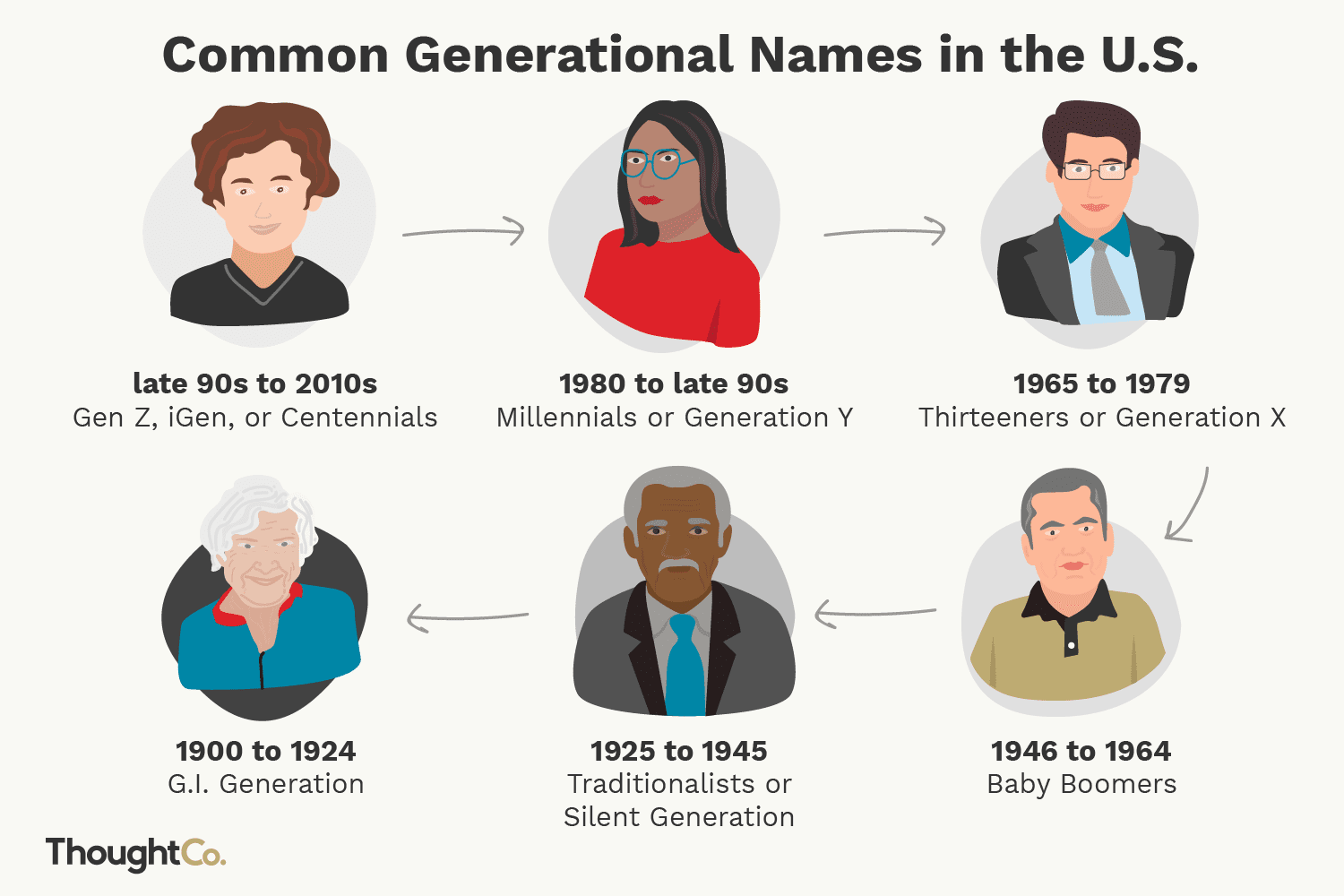
Traditionalists (born before 1946): Also known as the Silent Generation, Traditionalists value loyalty, discipline, and hard work. They often prefer face-to-face communication and are inclined to honor hierarchical structures.
-
Baby Boomers (born 1946-1964): This generation is characterized by their strong work ethic and commitment to career advancement. Baby Boomers often appreciate recognition for their contributions and have been instrumental in shaping the modern workplace.
-
Generation X (born 1965-1980): Often dubbed the “latchkey generation,” Gen Xers are known for their independence and resourcefulness. They value work-life balance and prefer to work in environments that promote flexibility and personal fulfillment.
-
Millennials (born 1981-1996): Also known as Gen Y, Millennials thrive in collaborative environments and prioritize meaningful work. They are tech-savvy and expect a degree of flexibility and social responsibility from their employers.
-
Generation Z (born 1997-2012): The newest entrants into the workforce, Gen Zers are digital natives who value diversity, inclusion, and authenticity. They seek a strong sense of purpose in their work and prioritize mental health and wellness.
Bridging the Generational Gap
Understanding the differences between generations is key to creating a harmonious workplace. Here are some strategies to facilitate better communication and collaboration among diverse age groups:
1. Foster Open Communication
Encouraging open lines of communication is essential. While Traditionalists and Baby Boomers may prefer formal meetings, Millennials and Gen Z favor more casual, digital interactions. Creating a culture of open communication where employees can share feedback in various formats—such as meetings, emails, and digital collaboration tools—can significantly reduce misunderstandings.
2. Leverage Technology
Technology is often a point of contention between generations. While older generations may struggle with rapid tech advancements, younger generations are generally quick to adapt. Employers can provide targeted training sessions that cater to varying levels of technological expertise. This approach not only improves productivity but also fosters a spirit of teamwork and collaboration among all employees.
3. Encourage Mentorship
Creating mentorship programs can facilitate knowledge transfer between generations. For instance, Baby Boomers and Traditionalists can share their industry knowledge and experiences with younger employees, while Millennials and Gen Z can teach older colleagues about new technologies and market trends. This two-way mentorship can solidify relationships within the workforce, helping to bridge gaps and foster a harmonious workplace.
4. Recognize Different Motivations
Each generation has its own set of motivations. Traditionalists may be driven by job security, while Millennials seek opportunities for growth and meaningful work. Understanding these diverse motivations helps managers tailor their leadership styles and incentives accordingly. Regularly listening to employee feedback about job satisfaction can also aid in aligning workplace policies with generational needs.
5. Promote Inclusivity and Respect
Creating an inclusive workplace is essential for bridging generational gaps. Companies that promote mutual respect for each generation’s contributions can cultivate a more harmonious atmosphere. Celebrating different traditions and values associated with each generation through workplace events or team-building activities can help foster a sense of community and belonging.
6. Be Flexible
Flexibility in work hours and remote working options can appeal to the divergent preferences of different generations. By offering various working arrangements, organizations can provide an environment that respects both the need for traditional office hours and the desire for flexible scheduling.
FAQs About Understanding the Differences Between Generations in the Workplace
Q: Why is it important to understand generational differences in the workplace?
Understanding generational differences allows for improved communication, collaboration, and teamwork among diverse staff. This knowledge can help organizations harness the strengths of each generation, leading to increased productivity and employee satisfaction.
Q: How can companies promote intergenerational teamwork?
Companies can promote intergenerational teamwork by creating mixed-age project teams, encouraging mentorship programs, celebrating diverse holidays, and hosting social activities that allow colleagues from different generations to engage with each other.
Q: What tools can assist in bridging the generational gap?
Using technology like collaboration platforms, project management tools, and communication apps can significantly aid intergenerational cooperation. Tailoring training programs for different generations also helps ensure everyone is on the same page.
Conclusion
Understanding the differences between generations: bridging the gap for a harmonious workplace is not merely a theoretical exercise; it is a practical business necessity in today’s diverse professional landscape. The collaboration and efficiencies generated by a workplace that is aware of and respects generational differences can lead to not only a happier workforce but also a more productive one. By fostering open communication, embracing technology, and promoting inclusivity, organizations can build a workplace that thrives on the strengths of every generation. In doing so, companies position themselves as leaders in creating an enriching work environment for everyone involved. Let’s bridge that generational gap together!