


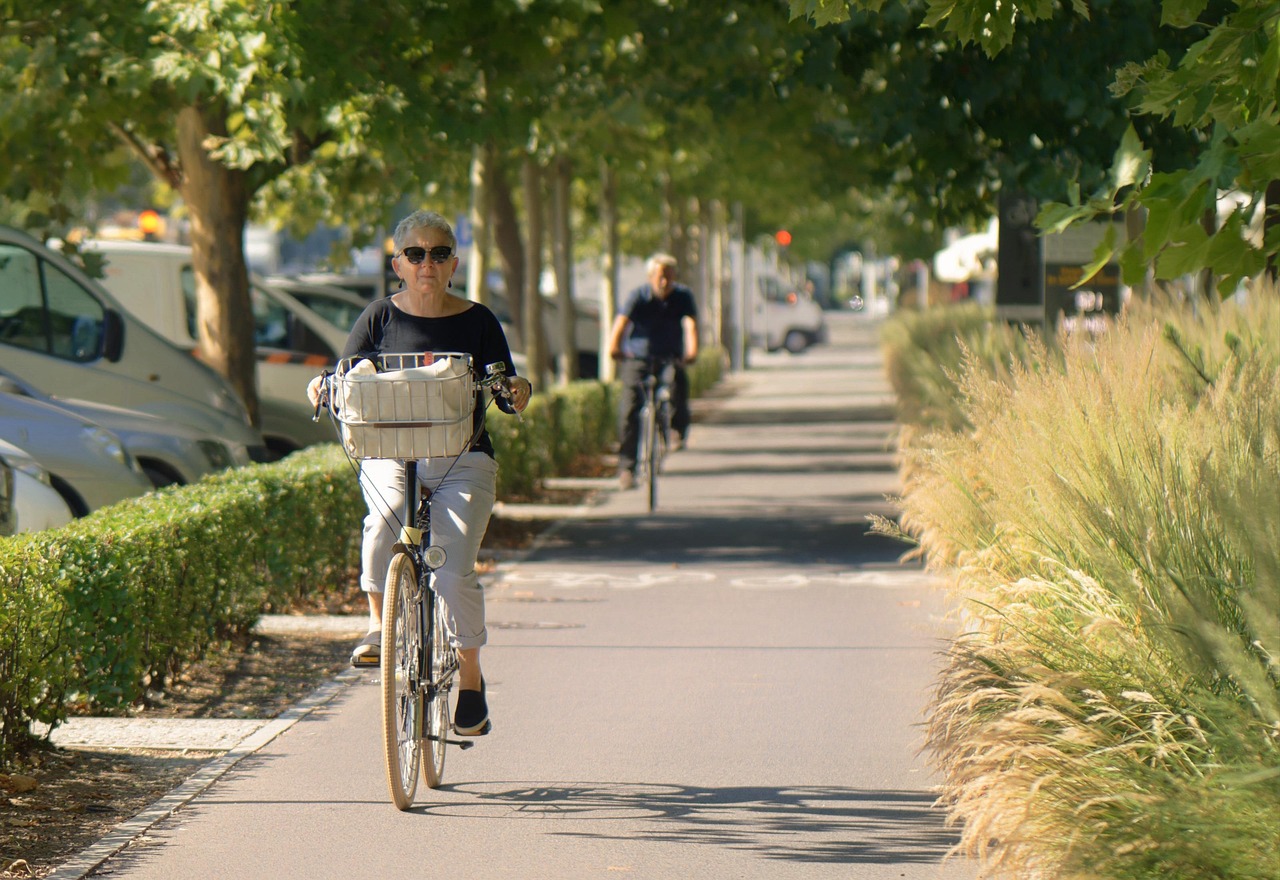
Health Trends by Generation: Uncovering Wellness Habits Across Ages
As we navigate through an era of rapid technological advancement and an ever-evolving understanding of health and wellness, it’s fascinating to observe how different generations approach their well-being. Health Trends by Generation: Uncovering Wellness Habits Across Ages reveals insights into how age influences lifestyle choices, dietary preferences, fitness routines, and even mental health awareness. In this article, we delve into these patterns and offer reflections on how generational factors shape our health.
The Silent Generation (Born 1928-1945)
The Silent Generation is characterized by their resilience and strong work ethic, often shaped by the hardships of the Great Depression and World War II. When it comes to health trends, this generation leans towards traditional approaches such as balanced diets and routine physical activity.
Wellness Habits:
- Diet: Members of this generation tend to prioritize home-cooked meals, often focused on basic food groups. Their diet typically includes plenty of vegetables and lean proteins, with a significant emphasis on portion control.
- Exercise: For many, exercise means walking or gardening—activities that promote cardiovascular health without requiring gym memberships.
- Mental Health Awareness: While mental health wasn’t widely discussed in their youth, there’s a growing acceptance now. They prefer in-person therapy sessions and community support.
Baby Boomers (Born 1946-1964)
Baby Boomers are known for their revolutionary spirit and hard-earned desires for a healthier lifestyle. They were instrumental in popularizing fitness culture and holistic health practices.
Wellness Habits:
- Diet: This group often leans towards low-fat, high-fiber diets, influenced by the health trends of the late 20th century. Many Boomers are also embracing plant-based diets as they age.
- Exercise: Baby Boomers have a love for group activities—think yoga classes or running clubs—and are often motivated by social interactions.
- Mental Health: They are more open to discussing mental health than their predecessors and are increasingly seeking therapy and support groups.
Generation X (Born 1965-1980)
Generation X is pragmatic and often puts family first. This generation balances their own health with raising children and managing careers, leading to unique wellness habits.
Wellness Habits:
- Diet: Gen Xers favor convenience, often opting for quick healthy options. Meal prepping is a common practice, and many seek organic and non-GMO products.
- Exercise: They appreciate a blend of solo fitness (like running or cycling) and family-oriented activities such as hiking or playing sports.
- Mental Health: This generation actively seeks work-life balance and places emphasis on maintaining mental health through meditation, therapy apps, and self-care routines.
Millennials (Born 1981-1996)
Millennials are digital natives, and their approach to health reflects this tech-centric lifestyle. They are often well-informed, value experiences over possessions, and prioritize wellness.
Wellness Habits:
- Diet: Health trends among Millennials lean heavily towards whole foods and sustainability. Plant-based diets, veganism, and organic foods are common. This generation is also known for their interest in meal replacement products and the latest health fads.
- Exercise: Fitness apps and online workout classes are favored, alongside activities like yoga and boutique fitness studios. There’s a social aspect to their exercise routines, often integrating social media for sharing achievements.
- Mental Health: Mental wellness is a top priority. Many millennials openly discuss mental health challenges on social platforms and advocate for self-care practices.
Generation Z (Born 1997-2012)
Generation Z, the youngest group on our list, is characterized by their diversity and activism. They have grown up in an era of information and are more health-conscious than previous generations.
Wellness Habits:
- Diet: Gen Z is curious about nutrition, favoring transparency about food sources. They are quick to adopt trends like keto, intermittent fasting, and plant-based diets while being concerned about environmental impact.
- Exercise: This generation prefers high-intensity workouts, fitness challenges, and virtual classes—all accessible through mobile devices. Gamification in fitness apps also appeals to their competitive nature.
- Mental Health: They are incredibly open and proactive about discussing mental health issues, often using platforms for support, sharing experiences, and finding communities that resonate with them.
Conclusion
Understanding Health Trends by Generation: Uncovering Wellness Habits Across Ages provides valuable insights that can help us foster healthier communities. Each generation brings unique perspectives and practices, shaping our collective approach to wellness. From the home-cooked meals and simple exercises of the Silent Generation to the tech-driven health fads of Gen Z, our health journeys are influenced by the time period in which we grow up.
As we embrace these trends, it’s crucial to recognize that while generational habits provide a context, individual choices matter. By understanding these overarching patterns, we can create environments that support and encourage healthier lifestyles across all ages.
FAQs
Q: How do health trends change over time?
A: Health trends shift due to advancements in science, cultural shifts, and societal needs. Each generation adapts their wellness habits based on the resources and information available to them.
Q: Why does mental health awareness differ across generations?
A: Earlier generations often stigmatized mental health discussions, while recent generations have prioritized openness and support, reflecting broader societal changes.
Q: What can I learn from these generational health trends?
A: By observing generational habits, we can cultivate a more rounded perspective on wellness, encouraging a blend of traditional and modern practices that suit diverse lifestyles.
Health is a journey that transcends age, and by understanding how wellness habits vary, we can influence future generations towards healthier living. Let’s continuously adapt and learn from each other!