


Baby Boomers vs Millennials: Bridging the Generational Gap in Today’s Society
In a world that constantly evolves, it’s easy to see how the Baby Boomers and Millennials have faced distinct challenges, aspirations, and lifestyles that have shaped their identities. Understanding these differences is essential for fostering better relationships in families, workplaces, and communities. In this article, we will explore the nuances of Baby Boomers vs Millennials: Bridging the Generational Gap in Today’s Society.
A Tale of Two Generations
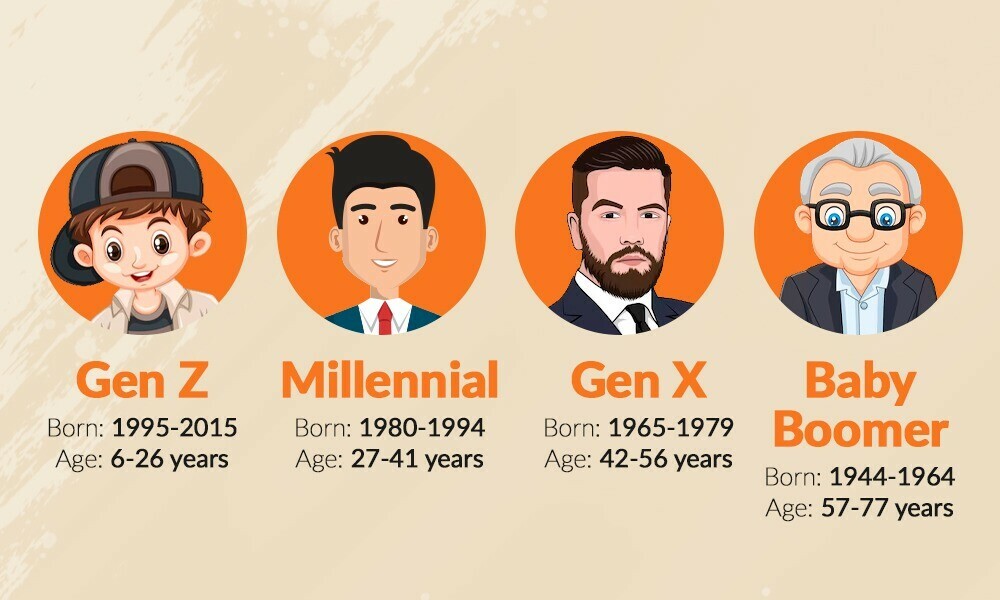
The Baby Boomers, born between 1946 and 1964, grew up in a post-war era marked by economic prosperity and social change. They often had stable careers, benefitted from affordable education, and embraced traditional family structures. By contrast, Millennials, born between 1981 and 1996, came of age in an era of rapid technological advancements and economic uncertainty, facing challenges like student debt and job instability. These generational experiences have undeniably shaped their worldviews.
Key Differences: Perspectives and Values
One of the primary differences between Baby Boomers and Millennials lies in their perceptions of success and achievement. Baby Boomers often prioritize job security, loyalty to employers, and home ownership as signs of success. They value hard work, dedication, and a linear career path, reflecting the values instilled during their formative years.
On the other hand, Millennials tend to seek fulfillment and purpose in their careers, often favoring flexible work arrangements and entrepreneurial ventures over traditional job security. They are more likely to redefine success based on personal happiness, social impact, and work-life balance.
Technology: A Generational Divide
Another significant factor in the Baby Boomers vs Millennials debate lies in their relationship with technology. Baby Boomers grew up in a world that was rapidly transitioning from analog to digital, leading to varying degrees of comfort with technology. While many Boomers have adapted to using smartphones and social media, Millennials are true digital natives who have integrated technology into every aspect of their lives.
This difference can create friction in communication styles and preferences. For instance, Boomers may prefer face-to-face conversations or phone calls, while Millennials often lean toward texting or using social media. Understanding these preferences is crucial for effective intergenerational communication.
Bridging the Generational Gap
To foster understanding between Baby Boomers and Millennials, we must focus on communication, division of responsibilities, and shared values. Here are some strategies to bridge the generational gap in today’s society:
1. Empathy and Open Dialogue
Empathy is the first step in bridging any divide. By putting ourselves in the shoes of others, we can foster an environment of understanding. Encourage open dialogues where both generations can express their perspectives without judgment. This will help dismantle preconceived notions and foster mutual respect.
2. Shared Goals and Collaboration
Both Baby Boomers and Millennials share many common goals, such as improving workplace culture, contributing to society, and creating better living conditions for future generations. Highlighting these shared values can encourage collaboration between generations, fostering teamwork that combines the strengths of both.
3. Leveraging Strengths
Each generation brings unique strengths to the table. Baby Boomers often possess a wealth of experience and strong work ethic, while Millennials bring innovation and adaptability. Encouraging mentorship programs where Boomers can coach Millennials, and vice versa, allows for reciprocal learning, establishing a smoother transition across generations.
4. Adaptability and Willingness to Change
Both sides should be willing to compromise and adapt. Baby Boomers can learn to embrace new technologies and flexible work arrangements, while Millennials can benefit from traditional practices that say more about reliability and trustworthiness in a workplace.
5. Inclusive Policies and Practices
Organizations can help bridge the generational gap by implementing inclusive policies that take into account the diverse needs of employees from different generations. This can include flexible work hours, a variety of communication tools, and recognition of diverse contributions.
FAQs
Q1: What are the main differences in work ethic between Baby Boomers and Millennials?
A1: Baby Boomers typically adhere to a more traditional work ethic focused on loyalty, hierarchy, and stability. Millennials, conversely, prioritize work-life balance, meaningful work, and flexibility.
Q2: How can Baby Boomers and Millennials work together effectively?
A2: To work effectively, both generations should engage in open communication, empathize with one another, and leverage each other’s strengths for collaboration and problem-solving.
Q3: What role does technology play in bridging the generation gap?
A3: While technology can create divides, it can also serve as a tool for connection. By embracing various communication tools and platforms, both generations can find common ground.
Q4: Can understanding generational differences improve workplace culture?
A4: Yes, understanding generational differences can create a more inclusive workplace where diverse perspectives are valued, ultimately leading to a positive and thriving organizational culture.
Conclusion
The conversation surrounding Baby Boomers vs Millennials: Bridging the Generational Gap in Today’s Society is crucial for fostering mutual understanding and respect. By recognizing the unique challenges and strengths of each generation, we can promote collaboration and growth in families, workplaces, and our communities. Embracing our differences and finding common ground will pave the way not just for improved relationships, but for a more harmonious society, where every generation can contribute to a brighter future.