


What is Gen Alpha? Understanding the Next Generation’s Impact on Society
As we continue to navigate through rapid technological advancements and evolving cultural landscapes, a new generation is emerging, poised to make significant waves across various sectors: Generation Alpha. Born from around 2010 onwards, this generation holds the unique position of being the first to grow up entirely in a digital environment. But what does it mean to be a member of Gen Alpha? What is Gen Alpha? Understanding the Next Generation’s Impact on Society is essential for parents, educators, and marketers alike, as we prepare for the implications of this dynamic cohort.
Who is Gen Alpha?
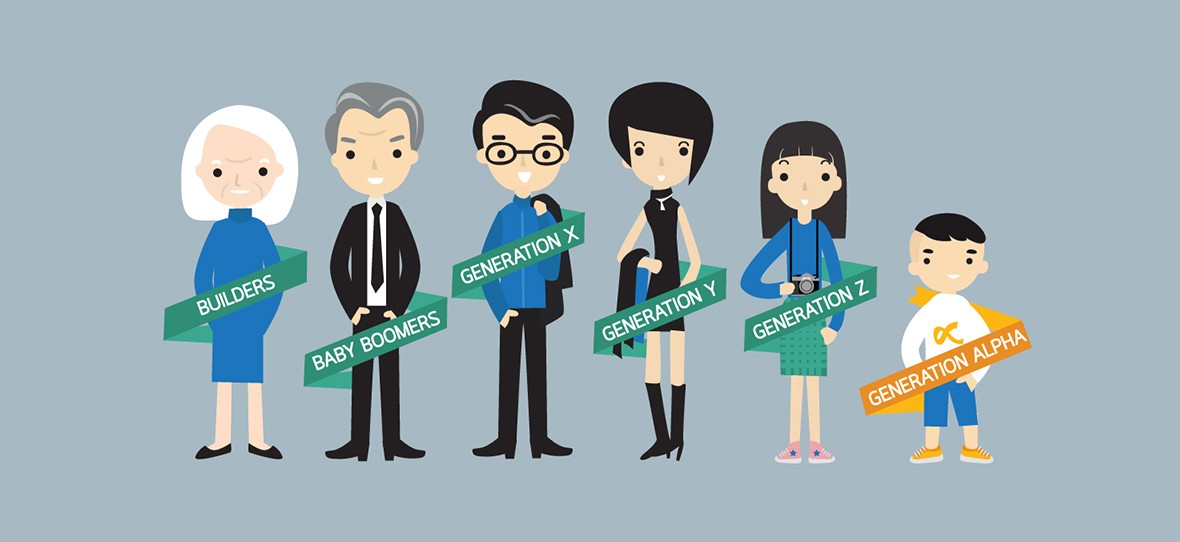
Generation Alpha is the cohort of individuals born between 2010 and 2025, following Generation Z. They are the children of millennials and Gen Z parents, and they stand out for their inherent connection to technology. These kids have been raised in homes surrounded by smart devices, social media, and rapidly changing technological landscapes, making their outlook on life remarkably different from previous generations.
According to recent estimates, Gen Alpha is expected to be about 2 billion strong globally, making them a significant demographic force. As they grow, their behaviors, values, and consumption patterns will shape future trends in education, employment, and society as a whole.
How Does Gen Alpha Differ from Previous Generations?
One of the defining characteristics of Gen Alpha is their integrated relationship with technology. Unlike previous generations, who had to adapt to technological advancements, Gen Alpha is born into it. They’ve never known a world without smartphones or tablet devices, prompting researchers to say they may be the most technologically savvy generation yet.
Education and Learning: Learning is not confined to traditional classrooms for Gen Alpha. With access to vast online resources, interactive educational platforms, and virtual reality tools, their learning experience is far more engaging than past generations. They also tend to favor experiential learning over rote memorization, meaning educational approaches will need to adapt significantly.
Social Interaction: Social skills are evolving for this generation, too. While they may have more virtual friends than in-person connections, their comfort with technology allows them to communicate and collaborate across geographical divides. This opens the door to diverse perspectives but raises questions about empathy and socialization skills.
The Values of Generation Alpha
As the world becomes increasingly interconnected, Gen Alpha is likely to embrace inclusivity and diversity. Raised in diverse households during times of social movements and environmental consciousness, they are expected to be more socially aware and engaged than their predecessors.
Environmental Concerns: Early indications show that Gen Alpha is keenly aware of climate change and sustainability issues. From a young age, many participate in eco-friendly activities, indicating a proactive stance on environmental concerns. They may push businesses and governments to adopt more sustainable practices in their actions and policies.
Mental Health Awareness: Another value likely to shape Gen Alpha is mental health awareness. With discussions around mental health becoming more mainstream in recent years, this generation is expected to prioritize emotional well-being and seek help when needed, creating a new standard for health and social support systems.
What is Gen Alpha? Understanding the Next Generation’s Impact on Society
As we venture into a future where Generation Alpha will play a dominant role, understanding their potential impact on society becomes vital. Here are several areas where we can expect their influence to be pronounced:
1. Technology and Innovation
With their innate understanding of technology, Gen Alpha will likely drive the next wave of digital innovation. Their comfort with AI, augmented reality, and other emerging technologies could lead to significant breakthroughs in fields like healthcare, education, and entertainment.
2. Consumer Behavior
Brands will need to rethink their strategies to connect with this new demographic. Gen Alpha consumers are expected to demand transparency and social responsibility from brands. Marketing that focuses on sustainability or social impact will resonate more than traditional advertising tactics.
3. Education
As Gen Alpha pushes for a more adaptable and personalized learning environment, educational systems may shift dramatically. Schools might prioritize critical thinking, social-emotional learning, and digital literacy, shaping future leaders who are not only knowledgeable but also emotionally intelligent.
4. Social Movements
With a heightened awareness of social issues, Gen Alpha could become powerful advocates for change. Their involvement in social justice, environmental activism, and community initiatives could shape the future of societal norms and policies.
Frequently Asked Questions (FAQs)
Q: What is the significance of calling them “Generation Alpha”?
A: The term “Alpha” signifies a new beginning, following the end of the previous generations labeled by letters (X, Y, Z). It suggests that they are the first generation to emerge in a new era defined by technology.
Q: How can parents best support Generation Alpha?
A: Parents can support Gen Alpha by encouraging their curiosity about technology while ensuring that they have time away from screens. Fostering emotional intelligence through open conversations about feelings and teaching critical thinking skills will also be essential.
Q: What challenges might Gen Alpha face as they grow up?
A: Gen Alpha may face challenges related to socialization, mental health, and job readiness in an increasingly competitive environment. Parents and educators must prepare them to navigate these complexities.
Conclusion
What is Gen Alpha? Understanding the Next Generation’s Impact on Society is crucial for anyone invested in the future, be it parents, educators, businesses, or policymakers. This generation is not just a continuation of earlier cohorts; they possess unique traits and values that promise to reshape our world. As they grow, their influences will create ripples across every sector, challenging us to adapt and respond to their needs, concerns, and dreams.
Embracing Generation Alpha today means fostering an understanding of their world—one that is digitally driven, socially aware, and inherently diverse. As we prepare for the future, the most influential leaders, consumers, and innovators may very well come from this new generation, and it is essential that we give them the tools they need to thrive.