


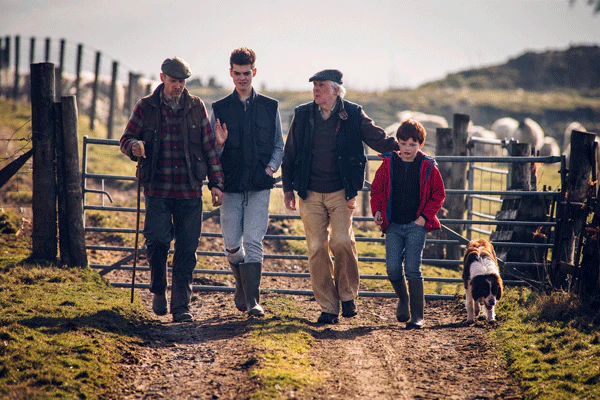
Understanding the Difference Between Generations: Bridging the Gap
As we sail through the ever-evolving tides of history, each generation leaves its unique mark on society, shaping values, trends, and behaviors. Understanding the difference between generations is more crucial than ever, especially in a world that thrives on diversity and collaboration. Whether it’s in the workplace, social gatherings, or family discussions, recognizing these generational nuances can help build bridges instead of walls. In this article, we’ll navigate through the distinctive characteristics of each generation, the challenges they face, and how we can all work harmoniously together.
What are Generations and Why Do They Matter?
Generations refer to groups of people born and living around the same time, usually spanning about 15-20 years. These groups share social, cultural, and historical experiences that shape their attitudes, beliefs, and behaviors.
Understanding the difference between generations is important for several reasons:
-
Workplace Dynamics: A multi-generational workforce can either be a recipe for innovation or conflict, depending on how well different generational perspectives are understood.
-
Social Issues: Different generations have varying views on social issues, technology, and politics. Understanding these viewpoints can foster better communication and collaboration in communities.
-
Family Relations: There are often generational gaps in families, especially regarding technology, traditions, and parenting styles. Understanding these differences can improve relationships.
The Generational Breakdown
Let’s delve deeper into the generations that shape our society today.
1. The Silent Generation (1928-1945)
This generation, often referred to as the Traditionalists or Builders, grew up during the Great Depression and World War II. Their characteristics include:
-
Values: Strong work ethic, loyalty, and honor. They often prioritize stability and security, both financially and socially.
-
Technology Use: They are generally less tech-savvy compared to younger generations but have adapted to technology over time, especially in relation to health care and social connectivity.
2. Baby Boomers (1946-1964)
Born in the post-war era, Baby Boomers experienced significant socio-economic changes. Their defining traits are:
-
Values: They tend to value teamwork, personal gratification, and are often seen as competitive. Many Baby Boomers are also characterized by a strong sense of social responsibility.
-
Technology: While they have made strides in adapting to technology, their primary focus has historically been on face-to-face interaction and traditional communication.
3. Generation X (1965-1980)
Often described as the “forgotten generation,” Gen X individuals grew up amidst economic shifts. Their key characteristics include:
-
Values: Gen X is known for valuing independence, adaptability, and work-life balance. They tend to be skeptical of authority and are often seen as pragmatic.
-
Technology: This generation witnessed the rise of the internet, making them proficient with technology while also appreciating conventional methods of communication.
4. Millennials (1981-1996)
Millennials, or Gen Y, have often been labeled as entitled or lazy. However, they are trailblazers in many respects:
-
Values: This generation values experience over material possessions and is generally more socially conscious than previous generations. They tend to emphasize diversity and inclusivity.
-
Technology: Having grown up with technology, Millennials are digital natives. They navigate online platforms with ease and often rely on social media for information and connection.
5. Generation Z (1997-2012)
The youngest identifiable generation today, Gen Z is still forming their values. Key aspects include:
-
Values: This generation is known for its social activism, valuing mental health, and environmental concern. They are often focused on making meaningful connections and expect authenticity.
-
Technology: Gen Z is the first generation to grow up with smartphones, leading to unparalleled digital savviness. They’re deeply engaged in online communities and use technology for self-expression.
Bridging the Generational Gap
Understanding the difference between generations is just the first step; the real challenge lies in bridging these gaps. Here are a few strategies to foster harmonious relationships:
-
Open Communication: Encourage conversations that allow each generation to express their thoughts and values. This can lead to larger cultural and ideological understanding.
-
Flexibility: Whether it’s in the workplace or at home, accommodating different work styles or family traditions can go a long way in promoting harmony.
-
Mentorship Programs: For workplaces, adopt mentorship programs where older generations guide the younger while also learning from their insights and perspectives.
-
Cultural Competence: Foster an environment that respects and appreciates the rich tapestry of experiences each generation brings to the table.
FAQs About Generations
Q: Why is it important to understand generational differences?
A: Understanding generational differences promotes better communication, teamwork, and conflict resolution, particularly in diverse environments like the workplace or family settings.
Q: How can I effectively communicate with someone from another generation?
A: Start by listening actively. Understand their perspectives, share your own, and avoid using jargon or technology terms that may not be familiar to them.
Q: What role does technology play in shaping generational differences?
A: Technology significantly influences how generations communicate, gather information, and connect with others. Each generation’s relationship with technology can alter their social interactions and values.
Conclusion
As we reflect on the complexities of life across different eras, understanding the difference between generations can foster respect, empathy, and unity in our increasingly diversified society. Whether it’s in personal relationships or professional collaborations, navigating the generational landscape doesn’t have to be daunting. Instead, it can lead to enriched experiences and valuable learning opportunities that benefit all. By valuing each generation’s unique perspectives and contributions, we can build a more cohesive world. Let’s encourage dialogue and celebrate our differences—after all, they’re what make us uniquely human.