


Fitness Habits of Millennials: Shaping a Healthier Future
When discussing fitness and health trends, the focus often falls on generations past or future. However, the fitness habits of Millennials—those born between 1981 and 1996—have emerged as a significant driving force in redefining what it means to maintain a healthy lifestyle. In this blog post, we’ll explore the distinctive fitness habits of Millennials, why they matter, and how they’re paving the way for a generation committed to wellness and balance.
Understanding the Millennial Mindset
Millennials grew up during a time of rapid technological advancement. The digital age has influenced their fitness habits, enabling them to access more information and resources than any previous generation. They prioritize work-life balance and are more health-conscious, often integrating technology with fitness. Millennial fitness habits are characterized by a desire for innovation, community, and environmental consciousness, turning fitness into a holistic approach rather than a mere routine.
Key Fitness Habits of Millennials
-
Tech-Savvy Workouts
One of the most prominent fitness habits of Millennials is their reliance on technology. From apps like MyFitnessPal to Canva and Fitbit, tech provides them with a way to track progress, set goals, and connect with a community. Virtual personal trainers and fitness videos on platforms like YouTube or Instagram have made exercising more accessible. In fact, many Millennials prefer online workouts instead of traditional gyms, thanks to flexibility and convenience. -
Group Fitness Classes
While Millennials love technology, they also cherish human connection. Group classes, such as spin, CrossFit, and yoga, remain popular as they foster community. Engaging in fitness with friends can make working out more enjoyable and less of a chore. This group aspect encourages accountability—another reason why incorporating community into the fitness habits of Millennials is critical to their fitness success. -
Mind-Body Connection
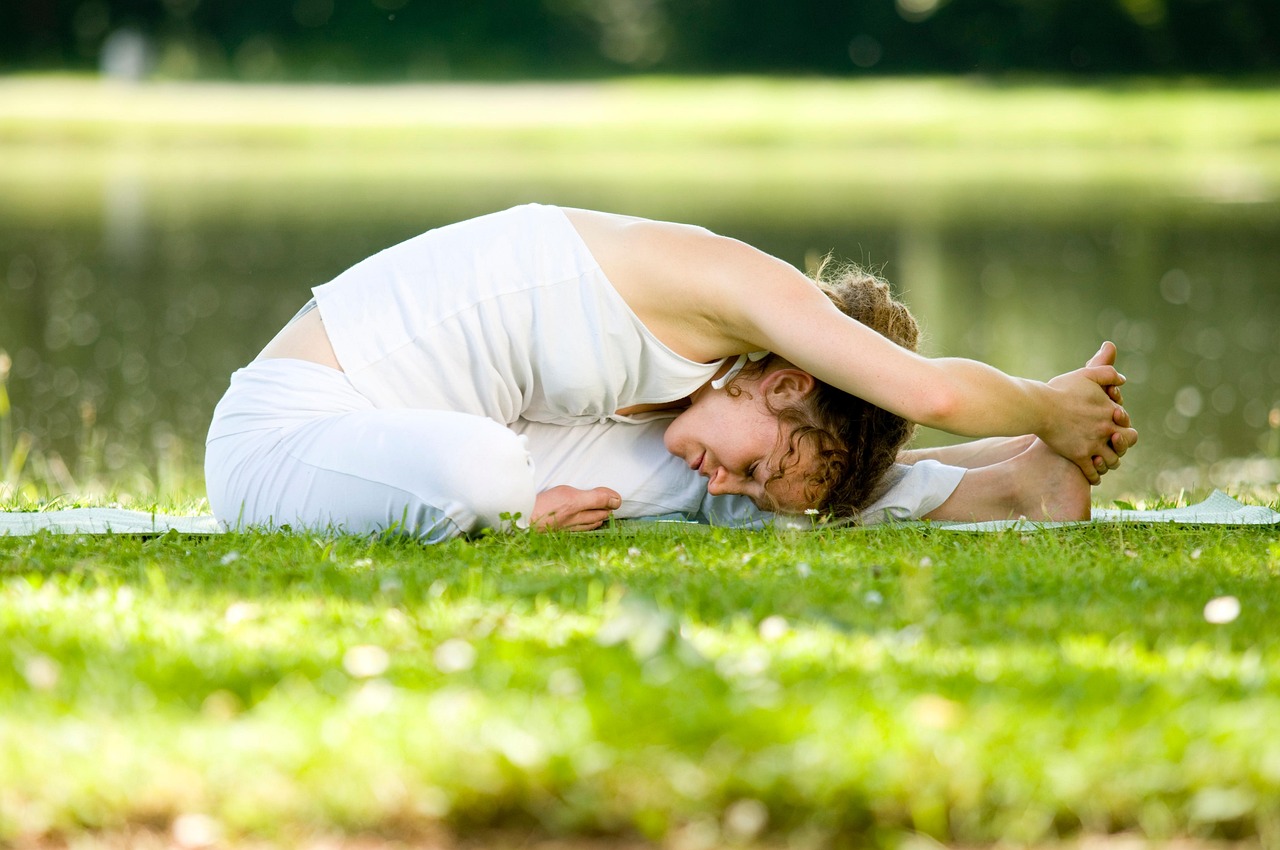
Millennials place significant emphasis on mental health, seeking harmony between body and mind. Activities such as yoga, Pilates, and meditation have surged in popularity among this generation. By focusing on both physical fitness and mental well-being, Millennials are redefining success in fitness, removing the pressure of unrealistic body standards and instead promoting self-care. -
Sustainable Choices
Environmental awareness influences the fitness habits of Millennials. They often seek out eco-friendly gyms, prefer sustainable workout gear, and choose fitness-related activities that have a minimal ecological footprint. This dedication to sustainability extends beyond workouts to their diet, leading to a lifestyle that prioritizes organic, local, and plant-based foods. -
Fitness as a Lifestyle
For Millennials, fitness is not just a phase but a lifestyle choice. They integrate physical activity into their daily routine, whether walking or biking to work, taking the stairs instead of the elevator, or engaging in active hobbies like hiking or dancing. This reflects a shift from viewing exercise solely as a means to lose weight to embracing movement as an essential aspect of daily life. -
Personalized Fitness
Millennials value individuality, which translates into customized fitness experiences. They prefer to select workouts that resonate with their personal goals and interests rather than adhering to one-size-fits-all programs. With a plethora of fitness classes, apps, and online communities, Millennials can tailor their fitness journey to suit their unique needs.
FAQs About Fitness Habits of Millennials
Q: How do Millennials typically structure their workout routines?
A: Millennials often incorporate variety into their workouts, blending cardio, strength training, and flexibility exercises. They may alternate between gym sessions, group classes, and outdoor activities, ensuring that they stay engaged and motivated.
Q: Do Millennials prefer home workouts or gym memberships?
A: While many Millennials enjoy the social aspect of going to the gym, a significant number favor home workouts, thanks to the convenience of online classes and digital fitness tools. This hybrid model allows them to engage with both solo workouts and group classes, depending on their schedule.
Q: How has social media impacted the fitness habits of Millennials?
A: Social media plays a crucial role in shaping the fitness habits of Millennials. Platforms like Instagram and TikTok are filled with fitness challenges, workout routines, and wellness tips that inspire and motivate. Sharing fitness journeys online creates a sense of community and accountability.
Q: Are Millennials more interested in holistic health than previous generations?
A: Yes, Millennials place a greater emphasis on holistic health, focused on the mind-body relationship and overall wellness rather than just physical appearance. This approach fosters a healthier lifestyle, encouraging positive relationships with food, exercise, and mental health.
Conclusion: The Future of Fitness
The fitness habits of Millennials have ushered in a new era of health and wellness, one that values community, sustainability, and mindfulness. As this generation continues to move forward into adulthood, their unique perspectives will shape fitness trends for generations to come. By embracing technology, prioritizing mental health, and accepting diverse fitness methodologies, Millennials are redefining what it means to be fit.
So, whether you identify as a Millennial or are simply looking for ways to incorporate these habits into your life, the overarching message is clear: fitness is more than just a goal—it’s a journey that should bring you joy, connection, and fulfillment. Embrace both the innovations and traditions that resonate with you, and let your fitness journey be a reflection of your values and lifestyle.