


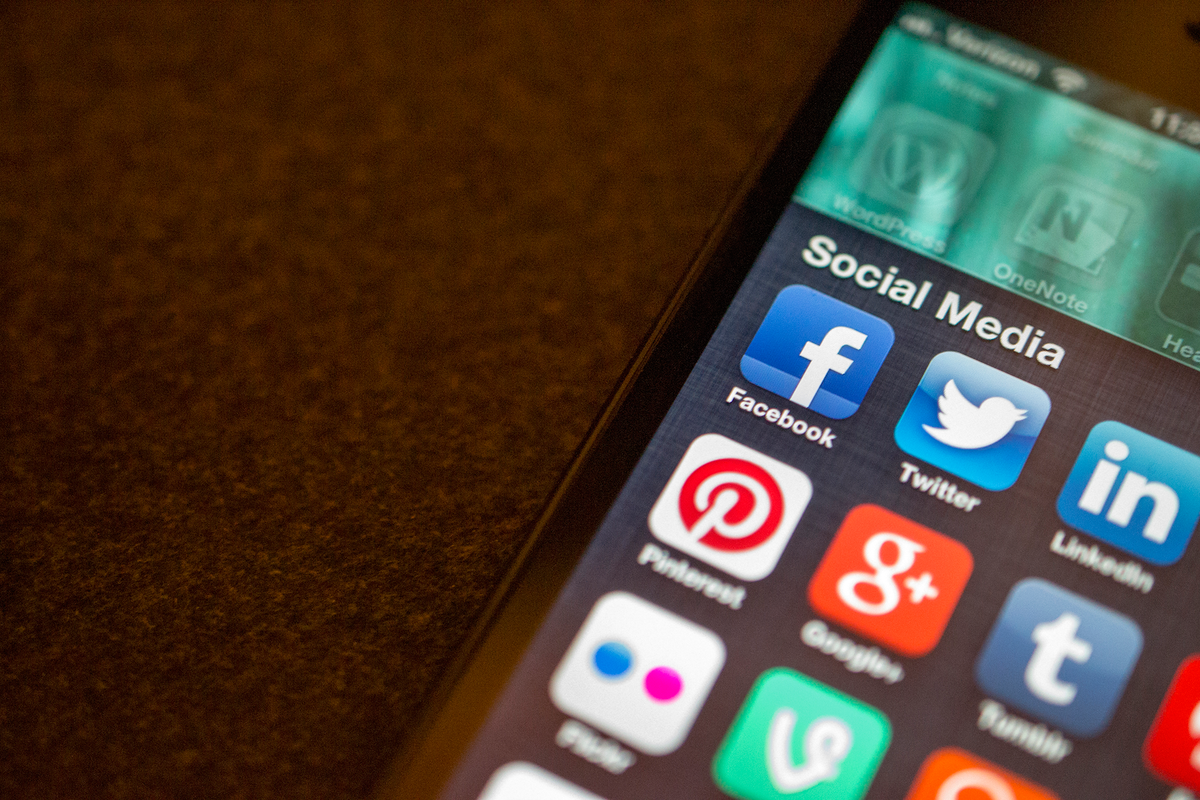
Technology Use by Generation: Exploring Trends
In today’s fast-paced world, technology has become an integral part of our daily lives. From smartphones to social media, different generations interact with technology in varying ways. Understanding these differences can help businesses, educators, and individuals tailor their strategies for effective communication and engagement. In this blog post, we will delve into Technology Use by Generation: Exploring Trends, and reveal how each cohort embraces technology.
The Generational Divide
The U.S. population is often divided into five primary generations:
- Baby Boomers (1946–1964)
- Generation X (1965–1980)
- Millennials (1981–1996)
- Generation Z (1997–2012)
- Generation Alpha (2013 onwards)
Each generation has unique characteristics, preferences, and behaviors that shape their engagement with technology. Let’s take a closer look at how each generation is navigating the digital landscape.
Baby Boomers: Embracing Change
Baby Boomers, born between 1946 and 1964, are often seen as the last generation to experience life without digital technology. However, this group has adapted remarkably well to the tech revolution.
Key Trends:
- Social Media Usage: Many Boomers use platforms like Facebook to connect with family and friends, share life updates, and even reconnect with old acquaintances.
- E-commerce Growth: An increasing number of Boomers are shopping online, with websites offering simplicity and ease of access.
- Health Technology: The use of wearables, telehealth services, and health apps has surged among this age group, making them more tech-savvy regarding health management.
Generation X: The Bridge Between Eras
Generation X often finds itself as the bridge between the analog world of the Boomers and the digital realm of Millennials and beyond. Born between 1965 and 1980, they tend to be pragmatic and self-sufficient.
Key Trends:
- Work-Life Balance: Technology allows Gen Xers to work remotely, helping them manage their family obligations while remaining career-oriented.
- Social Media Preferences: Unlike Millennials, Gen X tends to favor Facebook and LinkedIn for professional networking and personal connection.
- Content Consumption: This generation relies on streaming services like Netflix for entertainment, showcasing a shift from traditional cable to on-demand content.
Millennials: The Digital Natives
Often dubbed digital natives, Millennials, born between 1981 and 1996, were raised in the age of the internet. Their relationship with technology is often described as intuitive and inseparable.
Key Trends:
- Mobile-first: With a significant focus on mobile devices, Millennials utilize smartphones for almost everything: shopping, social media, and even making payments.
- Influencer Culture: They consume content through influencers and rely heavily on social media platforms like Instagram and TikTok for discovery and connection.
- Sustainable Tech: Millennials are increasingly concerned about sustainability, driving trends toward eco-friendly technology solutions in everything from gadgets to lifestyle choices.
Generation Z: The Digital Natives 2.0
Generation Z, born between 1997 and 2012, is today’s true digital native, having been exposed to technology from a young age. This generation exhibits completely different behaviors and preferences.
Key Trends:
- Video Content Dominance: Platforms like TikTok and YouTube have become primary entertainment and information sources, emphasizing the popularity of short-form video content.
- Social Activism: Gen Z uses technology as a tool for social change, advocating for various causes and interacting deeply through social media.
- Mental Health Awareness: Many in Gen Z are open about mental health issues, seeking solutions and communities online to discuss and cope.
Generation Alpha: The Future Leaders
Generation Alpha, born in 2013 and onward, is in its formative years, yet early indications suggest they are growing up in a world increasingly dominated by technology.
Key Trends:
- Tech Proficiency: Children in this generation are likely to be more skilled in technology than any previous generation, as they have access to gadgets and the internet from birth.
- Augmented Reality (AR) and Virtual Reality (VR): Early adoption of AR and VR for education and entertainment is evident, indicating that this generation will grow up with immersive tech experiences.
Frequently Asked Questions (FAQs)
1. How has technology changed over the generations?
Technology has evolved from basic communication tools to sophisticated digital platforms. Each generation adapts to these changes differently, leading to unique trends in usage.
2. What are the most popular technologies for each generation?
- Baby Boomers: Facebook, email, online shopping
- Generation X: Facebook, LinkedIn, streaming services
- Millennials: Instagram, mobile apps, sustainability-focused tech
- Generation Z: TikTok, YouTube, social innovation platforms
- Generation Alpha: Tablets, educational apps, AR/VR technologies
3. How can businesses engage different generations using technology?
Understanding the preferred platforms and communication methods of each generation allows businesses to tailor their marketing strategies effectively, ensuring they reach their audience where they are most active.
Conclusion
As we navigate the digital age, it’s vital to understand how generational differences shape technology use. The insights from Technology Use by Generation: Exploring Trends highlight not just how we consume technology, but how it influences our lifestyles, values, and interactions. Whether you’re a business looking to connect with different generations, or simply someone curious about these trends, the key takeaway is to respect and embrace the unique relationship each generation has with technology. By fostering this understanding, we can build a more inclusive digital world.*