


The Impact of Technology on Millennial Lifestyles
In today’s fast-paced world, technology has infiltrated nearly every aspect of our lives. For millennials—those born roughly between 1981 and 1996—the emergence and evolution of technology have dramatically reshaped their lifestyles. From how they communicate and socialize, to how they work and spend their leisure time, the impact of technology on millennial lifestyles is profound and multifaceted. In this blog post, we’ll explore the various dimensions of this impact, address some frequently asked questions, and provide insights into what the future may hold.
The Digital Natives: A New Era of Communication
One of the most immediate effects of technology on millennial lifestyles is how they communicate. Unlike previous generations, millennials are “digital natives.” They grew up with the rise of the internet, mobile phones, and social media, which have transformed the way people interact. Communication has become instantaneous, allowing millennials to connect with friends and family across the globe at the click of a button.
Social media platforms like Facebook, Instagram, and Twitter have not only changed how millennials share their lives but have also created new avenues for social interaction. This means that rather than waiting for a phone call or a face-to-face meeting, millennials can easily engage with peers online. However, this shift comes with its challenges—while technology fosters connectivity, it sometimes leads to less meaningful or face-to-face interactions.
Work-Life Balance: Remote Work and Gig Economy
The impact of technology on millennial lifestyles extends significantly into the workplace. With tools enabling telecommuting and flexible hours, millennials enjoy more work-life balance than previous generations could have imagined. The rise of remote work and the gig economy has enabled them to pursue unconventional career paths, freelance opportunities, or even start their own businesses with relative ease.
Technology has also brought about a culture of multitasking, where millennials juggle various responsibilities and commitments with the help of apps and digital tools. However, this increased flexibility can sometimes blur the lines between work and personal life, leading to challenges in maintaining boundaries.
Health and Wellness: The Role of Tech
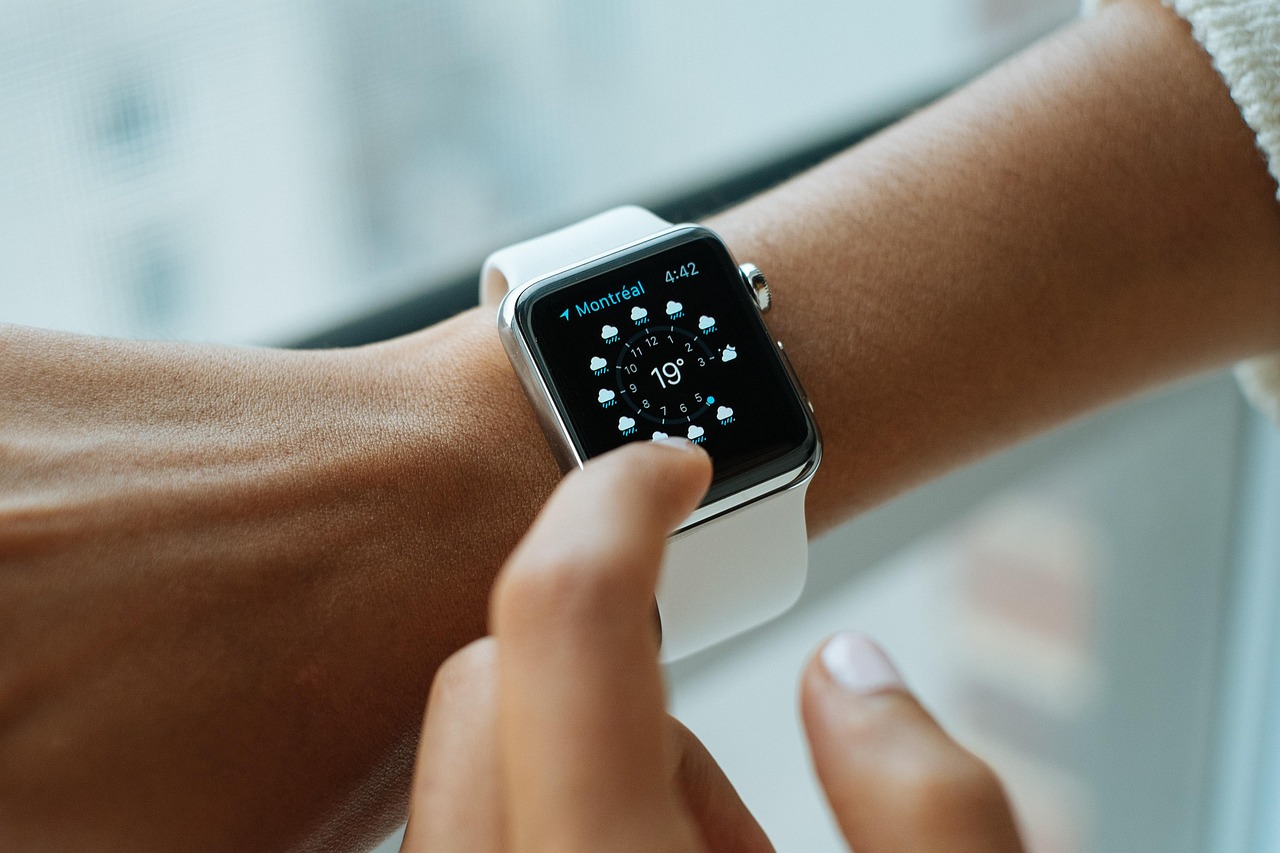
In addition to transforming communication and work, technology has made its mark on health and wellness. Millennials are increasingly turning to wearable devices, health apps, and online fitness platforms to manage their physical health. The impact of technology has made health tracking more accessible, allowing users to monitor their fitness levels, nutrition, and even mental well-being.
Apps like MyFitnessPal and headspace for meditation help millennials lead healthier lifestyles, making it easy to set personal goals and track progress. However, the reliance on technology can also lead to a paradox: while it empowers individuals to be proactive about their health, it can also foster comparison and anxiety through social media portrayals of “perfect” wellness.
Entertainment and Leisure: Streaming and Gaming
Entertainment consumption has undergone a complete overhaul thanks to technology. Streaming platforms like Netflix and Spotify have revolutionized how millennials consume music, movies, and television. Instead of traditional cable TV, millennials often prefer binge-watching series on demand, tailoring their entertainment choices.
Moreover, gaming has evolved into a significant leisure activity among millennials, with online gaming communities and e-sports creating new forms of social engagement. While this entertainment paradigm capitalizes on technology’s vast capabilities, it can also lead to concerns about screen time and its effects on mental health.
Environmental Awareness: Technology Meets Sustainability
Interestingly, the impact of technology on millennial lifestyles also intersects with environmental awareness. Millennials are often seen as more environmentally conscious compared to previous generations, and technology has provided them with the tools to advocate for eco-friendliness. Apps that promote sustainable living, such as ones that track carbon footprints or suggest eco-friendly products, have gained popularity among this generation.
Additionally, technological advancements in the renewable energy sector, such as solar panels and electric vehicles, allow millennials to make more sustainable choices in their daily lives. While technology can contribute to environmental issues, it also empowers millennials to take action and make a positive impact.
FAQs About The Impact of Technology on Millennial Lifestyles
1. How has technology affected millennials’ social interactions?
Technology has facilitated instant communication and connection for millennials but can sometimes replace face-to-face interactions, leading to feelings of isolation.
2. Is technology beneficial for millennials’ career paths?
Absolutely! Technology has opened doors for remote work and gig opportunities, allowing millennials to pursue careers that best suit their lifestyle and values.
3. What are some challenges millennials face due to technology use?
While technology offers convenience, it can also lead to stress from multitasking, anxiety from social media comparison, and difficulties in maintaining a work-life balance.
4. How has health awareness changed for millennials with technology?
Millennials use technology like health apps and wearables to track fitness and wellness, promoting healthier lifestyles but also causing concerns about over-reliance on these tools.
5. Can technology support environmentally friendly choices for millennials?
Yes! Many tech tools and apps help millennials make sustainable choices and gain awareness about their environmental impact, leading to more eco-friendly lifestyles.
Conclusion: Embracing the Digital Age
The impact of technology on millennial lifestyles is both profound and complicated. From reshaping how they communicate to transforming their work and wellness habits, technology continues to be an integral part of their daily lives. While millennials reap the benefits of modern advancements, they also navigate the challenges that come with them. As the digital landscape evolves, so too will the ways in which millennials adapt, ensuring that they remain at the forefront of a technology-driven world. As we look to the future, one thing is certain: understanding and embracing the impact of technology on millennial lifestyles will only become more essential.