


Understanding Generational Culture Differences
In an increasingly interconnected world, one of the most captivating phenomena we encounter is the divergence in perspectives and behaviors shaped by generational culture differences. Each generation brings its unique flavor, influenced by historical events, technological advancements, and prevailing social norms. But what exactly does this mean, and why is it essential to grasp these differences? Let’s dive deeper into understanding generational culture differences and how they impact our society today.
What Are Generational Culture Differences?
Generational culture differences refer to the varying values, beliefs, behaviors, and preferences that stem from the distinct experiences unique to each generation. Essentially, each generation is molded by the events and circumstances they face during their formative years, leading to varied outlooks and responses to life’s challenges.
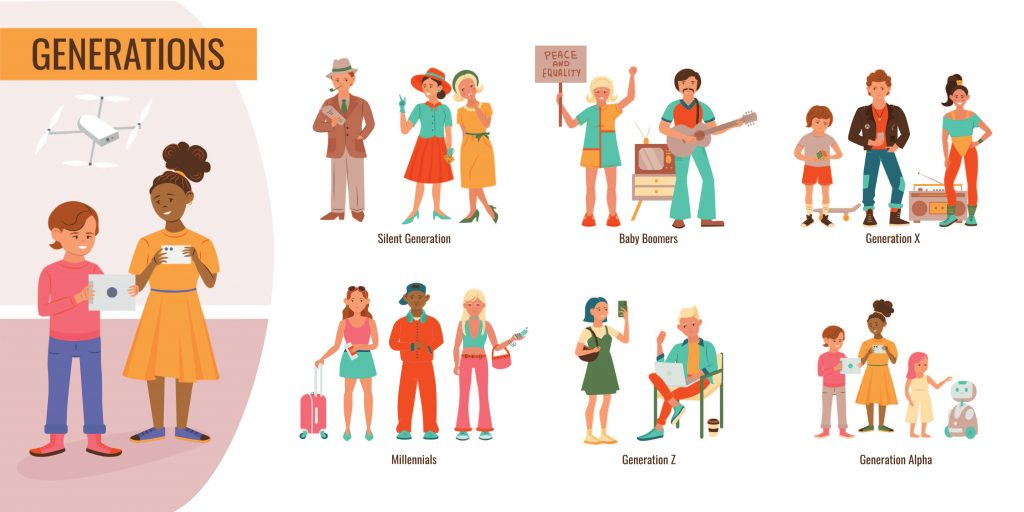
Key Generations in the Workforce:
-
Baby Boomers (1946-1964): Known for their strong work ethic, loyalty, and often a more hierarchical approach to workplace dynamics, Boomers value face-to-face communication and a structured work environment.
-
Generation X (1965-1980): Often characterized as independent and resourceful, Gen Xers prioritize work-life balance and tend to be skeptical of authority, having witnessed major shifts in corporate structures.
-
Millennials (1981-1996): Known for their tech-savvy nature, Millennials seek meaningful work and place a high value on diversity, inclusion, and flexibility in their workplace.
-
Generation Z (1997-2012): The first digital natives, Gen Z is socially aware, values authenticity, and is adept at using technology to communicate and collaborate.
Understanding generational culture differences can help bridge communication gaps and foster a more inclusive work environment, ultimately enhancing productivity and innovation.
Why Does Understanding Generational Culture Differences Matter?
Navigating through diverse communication styles, work preferences, and life experiences can be challenging, but it is crucial in today’s multigenerational workplaces. Here are a few reasons why understanding generational culture differences is essential:
1. Improved Communication
When we understand generational culture differences, we can communicate more effectively. Each generation has its preferences for how they like to receive and send information – from face-to-face interactions to emails and instant messaging. Recognizing these preferences can greatly enhance workplace collaboration.
2. Enhanced Team Dynamics
With multiple generations working side by side, embracing diverse viewpoints can lead to innovative ideas and solutions. Each generation contributes unique experiences, fostering a rich pool of knowledge when collaboration thrives.
3. Attracting and Retaining Talent
To create an inclusive workplace that appeals to a broader talent pool, organizations must recognize the varying motivations and work preferences across generations. Understanding what each group values will help in devising attractive incentives and benefits.
4. Navigating Change
The world is constantly evolving; industries are disrupted by new technologies, and work processes are transformed. Generational diversity means that not everyone adapts to change in the same way. Understanding these differences allows leaders to support their teams more effectively through transitions.
Frequently Asked Questions (FAQs) about Generational Culture Differences
1. What are some common misconceptions about different generations?
One common misconception is that older generations are resistant to technology. While it’s true that digital natives may be more skilled with the latest gadgets, many Baby Boomers and Gen Xers have adapted to new technologies in remarkable ways. Similarly, Millennials and Gen Z are often viewed as entitled, when they may simply prioritize values like work-life balance and social responsibility differently.
2. How can businesses leverage generational culture differences?
Businesses can leverage these differences by promoting inter-generational mentorship programs. By pairing older employees with younger ones, organizations can facilitate knowledge sharing, foster collaboration, and create a culture of respect and understanding.
3. Are generational preferences fixed?
While generational traits provide a framework for understanding behavior, individual experiences will still vary widely. Life events, industry shifts, and personal backgrounds can profoundly influence how someone interacts and perceives their work environment.
4. How can we address generational conflicts in the workplace?
Addressing generational conflicts begins with open communication. Encourage team members to share their perspectives and establish a collective understanding of each other’s communication styles. Workshops or team-building activities designed to highlight these differences can go a long way in fostering empathy.
5. What role does technology play in generational culture differences?
Technology has dramatically reshaped how we communicate, learn, and work. Each generation has grown up with different technologies providing them with unique experiences. Understanding generational culture differences about technology can help equip teams with the right platforms and systems for optimal communication and efficiency.
Conclusion
In summary, understanding generational culture differences isn’t just an academic exercise; it’s a vital practice in the workplace and everyday life. As more generations converge in professional and social settings, recognizing and respecting these varied perspectives becomes essential for healthy communication and collaboration. By leveraging the strengths of each generation and fostering an environment of mutual understanding, we create a more harmonious and innovative space for everyone.
So, whether you’re a Baby Boomer counseling a Generation Z intern, or a Millennial collaborating with Generation X colleagues on a crucial project, remember: the better you understand generational culture differences, the more effectively you can contribute to your team’s success.